
When to Refinish or Replace Kitchen Cabinets in San Antonio
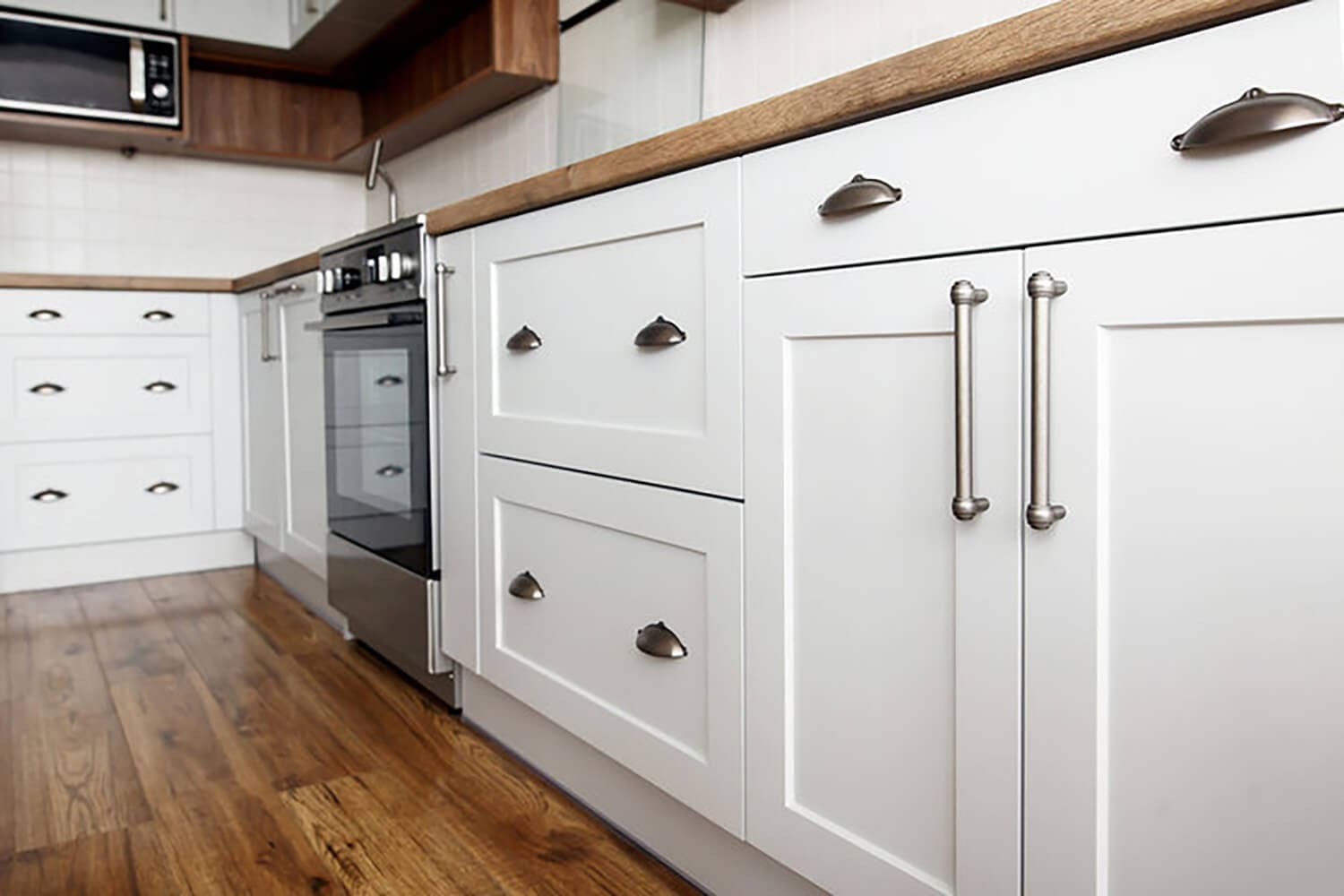
Many homeowners eventually reach a point where they start wondering when to refinish or replace kitchen cabinets. Cabinets take more daily wear than almost any other part of the kitchen, and over time that wear becomes hard to ignore. Peeling finishes, dated colors, sticky doors, or visible damage can all raise the same question: can this be fixed, or is it time for something new?
In San Antonio homes, this decision often comes up during broader kitchen updates or when homeowners want a refresh without a full remodel. Cabinets might still function well but look tired, or they may no longer match the style of the home. In other cases, damage, moisture exposure, or layout frustrations push the conversation further toward replacement.
The challenge is that the right choice is rarely obvious. Refinishing and replacement come with very different costs, timelines, and levels of disruption. Homeowners often worry about choosing the wrong option and spending more than necessary—or cutting corners and regretting it later.
This guide breaks down what each option truly involves, how to recognize cabinet refinishing signs, and how local factors influence the decision. The goal is to help you feel confident choosing the option that fits your kitchen, lifestyle, and long-term plans.
Refinish vs Replace: What Each Option Actually Involves
Cabinet refinishing focuses on updating the appearance of your existing cabinets without removing them. The cabinet boxes stay in place, and the layout of the kitchen does not change. Doors and drawer fronts are typically cleaned, sanded, repaired as needed, and then painted or stained with professional-grade finishes.
Refinishing does not include structural changes, and understanding how long finishes typically hold up helps set realistic expectations for painted cabinet lifespan. It will not fix poor layouts, add storage, or correct cabinets that are failing at the box level. If shelves are sagging, boxes are separating from the wall, or moisture damage has compromised the structure, refinishing alone won’t solve those problems.
Cabinet replacement is a full removal and installation process. Existing cabinets are taken out entirely, and new cabinet boxes, doors, and hardware are installed. This allows for changes in layout, cabinet size, storage features, and overall kitchen design.
Replacement does not automatically include upgrades to countertops, flooring, or plumbing unless those are part of a larger remodel. It also involves more demolition, longer timelines, and coordination with other trades if walls, electrical, or appliances are being adjusted.
The key difference between refinishing versus new cabinets is scope. Refinishing is a surface-level transformation focused on appearance. Replacement is a structural and functional reset that reshapes how the kitchen works from the inside out.
When Refinishing Kitchen Cabinets Is the Better Option
Refinishing is often the right choice when the foundation of the kitchen is still solid and the main concern is appearance rather than function. Many homeowners are surprised by how much life is left in their existing cabinets once surface issues are addressed.
Refinishing tends to make sense when the cabinet boxes are structurally sound. Common cabinet refinishing signs include sturdy boxes, doors that still hang straight, and shelves that aren’t sagging or separating from the walls.
Situations where refinishing is usually a good fit include:
- The current kitchen layout works well and doesn’t feel cramped
- Cabinet boxes are in good condition with no major water damage
- Doors and drawers function properly, even if they look worn
- The homeowner wants a color or finish update without remodeling
- The goal is to refresh the kitchen without changing plumbing or appliances
Refinishing improves the look of the kitchen by correcting worn finishes, updating colors, and smoothing out minor imperfections. It delivers a dramatic visual upgrade without touching the structure of the space or changing how the kitchen functions.
Most refinishing projects are completed in a matter of days rather than weeks. Disruption is minimal compared to replacement, since cabinets remain in place and demolition is limited. This makes refinishing a popular option for homeowners who want noticeable results with less downtime.
When Replacing Kitchen Cabinets Makes More Sense
In some kitchens, surface updates simply aren’t enough. Replacement becomes the better option when deeper structural or functional issues are driving the decision, not just appearance.
Refinishing cannot correct problems with cabinet construction or layout. If the foundation of the cabinetry is compromised, covering it with a new finish only delays a larger issue.
Replacement is usually the smarter choice in situations like these:
- Cabinet boxes show signs of warping, rot, or long-term water damage
- The current layout feels inefficient or poorly designed
- Storage needs have changed and existing cabinets no longer work
- Cabinets are too shallow, too small, or poorly positioned
- The kitchen is being fully redesigned or opened up
Replacing cabinets allows for complete customization. Homeowners can adjust cabinet heights, depths, and configurations, add specialty storage, and choose materials that better match how the kitchen is used. This option provides full control over both function and style.
Full cabinet replacement takes longer and involves more disruption. Projects often last several weeks, especially when combined with other kitchen upgrades. Demolition, installation, and coordination with countertops and appliances make replacement a more involved process, but one that delivers a fully reimagined kitchen.
Cost Differences Between Refinishing and Replacing Cabinets
For most homeowners, the cost difference between refinishing and replacement is noticeable right away. Refinishing typically falls into a much lower price range because the existing cabinet boxes remain in place and the work focuses on surface preparation and finishing rather than removal and reconstruction. Replacement, by contrast, involves new materials, demolition, installation, and often coordination with other parts of the kitchen.
Refinishing costs can vary depending on the condition of the cabinets and the level of prep work required. Cabinets with heavy wear, previous paint failures, or damage around doors and drawers require more labor before finishing can begin. The type of finish chosen also plays a role, as higher-end coatings or custom color work can increase the overall investment.
Replacement costs are driven by a broader set of variables. Cabinet material, construction quality, and whether the cabinets are stock, semi-custom, or fully custom all have a major impact. Layout changes, modifications to plumbing or electrical, and the need to remove and reset countertops can quickly push costs higher.
While replacement carries a higher upfront price, cost shouldn’t be viewed in isolation. Refinishing offers strong value when cabinets are structurally sound, but replacement may be the more economical long-term choice if the existing cabinets can’t meet functional needs.
How Long Each Option Lasts and What Maintenance Looks Like
Longevity is a key consideration when deciding between refinishing and replacement, especially in kitchens that see heavy daily use. The lifespan of each option depends on materials, workmanship, and how the space is used over time.
Professionally refinished cabinets can last many years when done correctly. High-quality prep, durable finishes, and proper curing all play a role in how well the new surface holds up. In most homes, refinishing provides a long-lasting update without the need for major follow-up work.
New cabinets generally offer a longer overall lifespan, particularly when built with solid materials and quality hardware. Cabinet construction, door material, and joinery all affect how well they stand up to long-term use.
Maintenance expectations differ between the two options, especially when homeowners understand the basics of painted surface care in high-use spaces like kitchens. Over time, each option comes with its own care considerations.
- Refinished cabinets may need gentle cleaning and occasional touch-ups in high-contact areas
- Painted finishes benefit from avoiding harsh cleaners and excessive moisture
- New cabinets typically require less early maintenance, especially with factory-applied finishes
- Lower-quality replacement cabinets can show wear sooner than well-refinished solid wood cabinets
Busy kitchens experience more wear regardless of the option chosen. Homes with kids, pets, and frequent cooking place extra stress on cabinet surfaces, hinges, and hardware. Choosing the right materials and maintaining finishes properly helps extend the life of both refinished and replaced cabinets.
How San Antonio Homes and Lifestyles Influence the Decision
Local conditions play a larger role in cabinet decisions than many homeowners realize. San Antonio’s heat and humidity can affect how cabinet finishes perform over time, especially in kitchens that aren’t well ventilated. Temperature swings and moisture in the air can cause wood to expand and contract, which places stress on finishes and seams. This makes proper preparation and product selection especially important when refinishing cabinets in this region.
Daily lifestyle also matters. Busy households with kids, pets, and frequent cooking tend to put more wear on cabinets around sinks, trash pullouts, and high-traffic drawers. In these homes, durability and cleanability often become higher priorities than purely cosmetic upgrades. Both refinishing and replacement can work, but the choice should align with how hard the kitchen is used.
Neighborhood standards and resale expectations often influence the decision as well. In some areas, well-refinished cabinets are perfectly aligned with buyer expectations and offer strong visual appeal without over-improving the home. In higher-end neighborhoods or homes undergoing full renovations, replacement may better match surrounding properties.
Local conditions matter because they affect performance, longevity, and value. Understanding how San Antonio homes live and age helps homeowners choose the option that holds up best in real-world use.
How to Decide Which Option Is Right for Your Kitchen
Choosing between refinishing and replacement comes down to asking the right questions about your kitchen, your goals, and your timeline. Homeowners who rush this decision often focus on surface issues without considering how the kitchen actually functions day to day.
Before deciding, it helps to step back and evaluate the bigger picture:
- Are the cabinet boxes structurally sound, or are there signs of deeper damage?
- Does the current layout work well, or does it feel inefficient?
- Is the goal purely visual, or do storage and functionality need to change?
- How long do you plan to stay in the home?
- What level of disruption can you realistically manage?
Budget and timeline play a major role. Refinishing is typically faster and less expensive, making it a strong option for homeowners who want a noticeable upgrade without a long renovation. Replacement requires a larger investment and more time but delivers a complete reset of the kitchen.
Professional input can prevent costly mistakes, especially when you understand how experienced painters focus on keeping your home clean throughout the process. An experienced contractor can identify structural issues that aren’t obvious and help determine whether refinishing will truly last or if replacement is the smarter long-term move. Getting expert guidance early often saves money, time, and frustration later.
Making the Right Cabinet Decision for Your Home and Budget
Refinishing is typically the better fit when cabinet boxes are in good condition, the layout works well, and the main goal is to update the look of the kitchen. It offers a noticeable transformation with less disruption and a lower investment, making it appealing for homeowners who want to refresh their space without a full remodel.
Replacement becomes the smarter long-term choice when cabinets have structural issues, storage needs have changed, or the kitchen layout no longer supports how the space is used. In these situations, refinishing may improve appearance but won’t solve the underlying problems. Replacement allows for full customization and can better support long-term functionality.
There is no one-size-fits-all answer. Two kitchens that look similar on the surface may require very different solutions once condition, usage, and future plans are considered. What works well for one homeowner may not be the right move for another.
The most confident decisions are made with clear information and professional input. Having your cabinets evaluated by an experienced expert helps clarify what’s possible, what’s worth investing in, and which option will deliver the best outcome for your home and budget.
If you’re unsure whether refinishing or replacing makes sense for your kitchen, getting professional input can save time and money. Hendrick Painting can evaluate your cabinets, explain what refinishing can realistically achieve, and help you avoid investing in the wrong solution. Their team focuses on honest recommendations based on cabinet condition, not one-size-fits-all advice. Reaching out to discuss your next cabinet painting project is a simple way to get clarity before making a long-term decision.