
How to Care for Newly Painted Surfaces in Your Home
A fresh coat of paint can do more than change the color of a room—it can completely renew the mood and energy of your space. Whether you’ve updated one wall or several rooms, there’s something satisfying about walking into a home that looks crisp, clean, and professionally finished. But once the painters pack up and the scent of paint fades, your role in preserving that fresh look begins.
Maintaining newly painted walls isn’t difficult, but it does take a thoughtful approach. Even high-quality paint applied by experienced professionals can be scuffed, dulled, or damaged if not treated with care. Simple habits—like waiting before cleaning or choosing the right tools—can make a big difference in keeping those walls looking flawless.
In this guide, we’ll show you how to protect and care for your interior surfaces after a painting project. You’ll learn what to avoid, what to do regularly, and how to spot early signs of wear—so your home continues to look its best long after the job is done.
Give the Paint Time to Fully Cure
Newly painted walls may feel dry within a few hours, but that doesn’t mean they’re ready for everyday use. In fact, paint continues to cure long after it’s dry to the touch—and during this phase, the finish is at its most vulnerable.
Most modern paints take anywhere from 7 to 30 days to fully cure, depending on the paint type, ventilation, and room conditions. Latex and low-VOC products may dry faster on the surface, but still require time to harden beneath.
To protect your walls during this critical period:
- Avoid wiping or scrubbing the surface, even gently
- Wait to rehang artwork or wall-mounted items until curing is complete
- Don’t lean furniture or boxes directly against the walls
- Keep high-humidity rooms well-ventilated, as excess moisture can slow curing
If you’re unsure whether a wall has cured completely, your painting contractor can give you a timeline based on the paint used and conditions in your home. Trust their guidance before resuming regular activity in the space.
Use Gentle Cleaning Methods Only
Once your walls have healed, the next step is keeping them clean without damaging the finish. This is especially important for high-traffic areas like hallways, entryways, or children’s rooms—where fingerprints, dust, and minor scuffs are common.
Painted walls are not all created equal. Flat or matte finishes, while great at hiding imperfections, are more prone to marking and tougher to clean. Satin, eggshell, and semi-gloss finishes are more durable, but still need a delicate touch to avoid visible wear.
To safely clean painted walls:
- Start with dry dusting using a microfiber cloth or soft duster
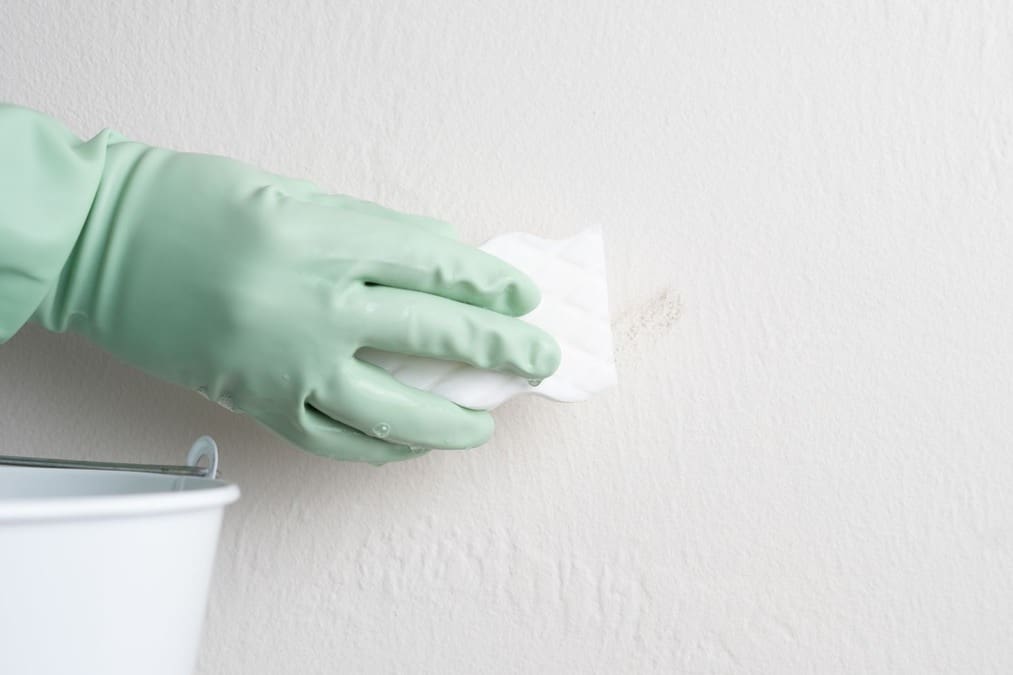
- For spot cleaning, use a damp sponge or cloth with warm water and a mild, non-abrasive soap
- Avoid scrubbing hard or using magic erasers, which can dull the finish over time
- Always test in an inconspicuous area first before cleaning a visible section
If the wall has stubborn stains or marks, it’s best to consult the painter or schedule a professional touch-up. Aggressive cleaning often causes more harm than good.
Avoid Moisture Buildup in High-Humidity Areas
Humidity is one of the biggest threats to a freshly painted interior—especially in rooms like bathrooms, kitchens, and laundry areas. Even if your walls were painted using moisture-resistant products, prolonged exposure to damp conditions can still lead to bubbling, blistering, or mildew over time.
Paint failures in these rooms usually happen because moisture gets trapped behind the surface. This can soften the paint, cause peeling, or attract mold. Preventing these issues is more about airflow and habits than the paint itself.
Here’s how to reduce moisture exposure indoors:
- Always use exhaust fans during and after showers or cooking
- Keep doors or windows slightly open in humid rooms when possible
- Avoid hanging damp towels or clothes directly on walls
- Use mildew-resistant paint or coatings during the next refresh for added protection
If you notice any warping, bubbling, or discoloration in high-humidity areas, contact a professional painter right away. Early intervention can often save the surface from needing full rework.
Touch Up Nicks and Scratches Promptly
Even in well-maintained homes, walls can still take a hit. Furniture gets bumped, toys get tossed, and everyday wear leaves its mark. While a small scuff or nick may seem harmless, ignoring it can lead to more noticeable damage over time—especially on lighter finishes.
Quick touch-ups help keep your painted surfaces looking polished and prevent issues like paint chipping or uneven fading. The key is using the right tools and method to blend the repair seamlessly into the existing finish.
Here’s how professionals handle minor wall damage:
- Use leftover paint from the original job, stored in a cool, dry place
- Lightly sand the damaged area with fine-grit sandpaper for a smooth base
- Apply primer if needed, especially for deeper marks or exposed drywall
- Use a small artist’s brush or foam applicator for precise coverage
- Let it dry completely before checking if a second coat is needed
If you no longer have the original paint, consult the painter or bring a paint chip to a pro for an exact match. Avoid DIY guessing—slight mismatches are much more noticeable on newer surfaces.
Protect Walls From Daily Wear and Tear
Even the most durable paint can’t defend against repeated impact or neglect. Everyday movement—like dragging furniture or opening doors—can wear down finishes faster than expected. To preserve your walls, it’s important to think beyond cleaning and touch-ups.
Pro painters often recommend adding small layers of protection in areas where damage is most likely. This is especially important for busy households with kids, pets, or high foot traffic.
Here are a few simple, proactive steps to reduce wear:
- Install door stoppers behind knobs to prevent dents and dings
- Use felt pads on the back of furniture that rests against walls
- Add durable finishes (like satin or semi-gloss) to hallways and stairwells
- Keep indoor sports and high-energy playtime away from painted walls
- Avoid hanging bags, coats, or hooks directly on drywall without anchors
Planning ahead during the painting phase also helps. Let your painting contractor know which rooms see the most use so they can choose more resilient products or apply additional protective coatings.
Keep Your Paint Job Looking Fresh for the Long Haul
Fresh paint is one of the easiest ways to breathe new life into your space—but keeping it looking flawless takes more than luck. From allowing time for the paint to cure, to cleaning gently and protecting against scuffs, each step plays a role in preserving that professional finish.
Paint is an investment, and like anything else in your home, it deserves regular attention and care. If you’ve recently completed an interior painting project, this is the time to establish good habits that will help your walls look new for years.
Want guidance on long-term maintenance or recommendations for durable finishes in high-use areas? Schedule a free consultation now because a professional painter can help you plan for looks that last—no guesswork needed.