
What to Expect When Hiring Professional Painters
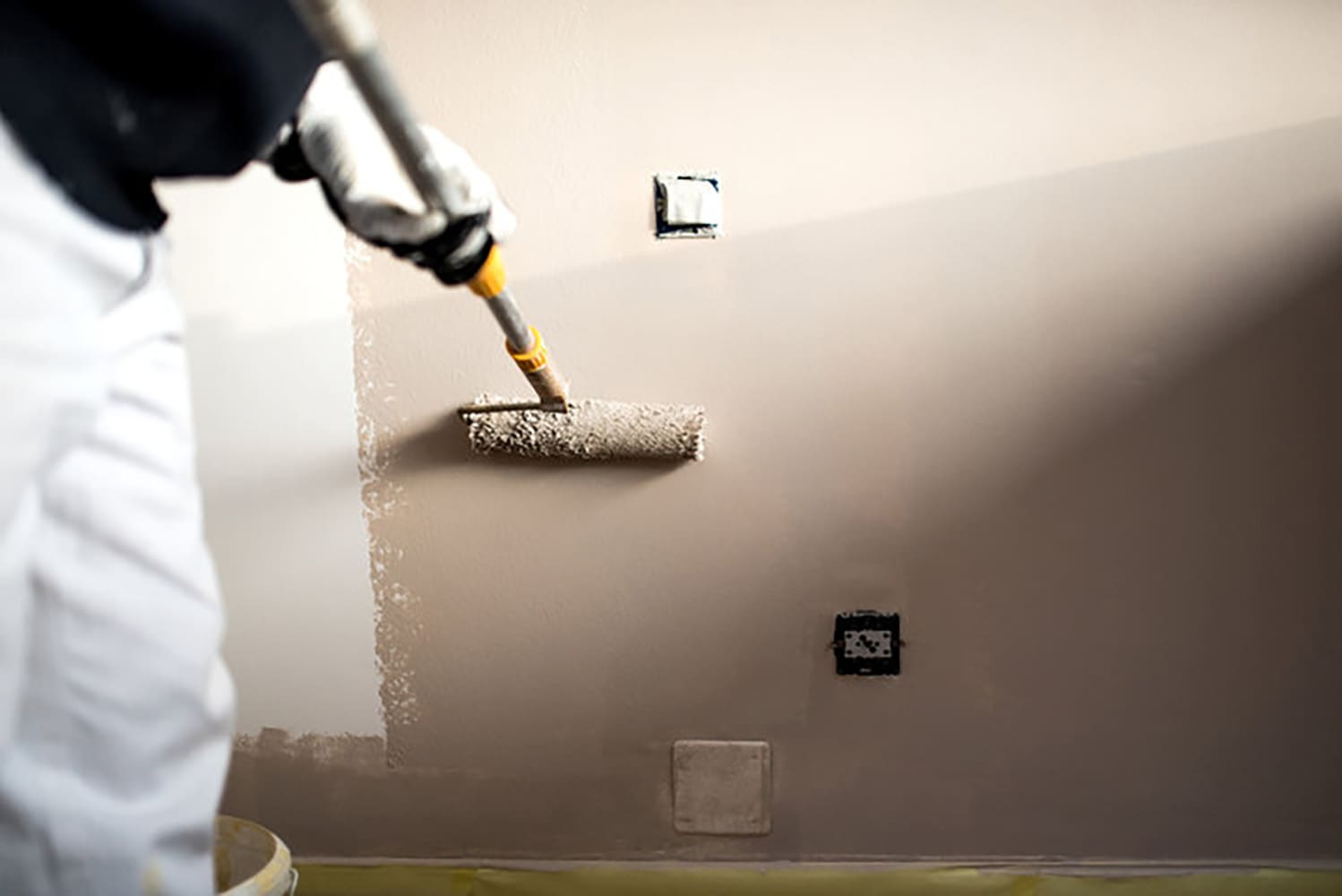
Hiring professional painters is a big step for most homeowners, and uncertainty often comes from not knowing how the process actually works. You may be wondering who to call first, what happens during an estimate, how quotes are created, and what the experience will feel like once work begins. Searching for what to expect when hiring professional painters is usually about reducing risk, avoiding surprises, and feeling confident before committing to a contractor.
Painting projects affect your home, your schedule, and your budget. When expectations aren’t clear, small misunderstandings can quickly turn into frustration. Homeowners often worry about timelines, communication, preparation responsibilities, and whether the finished work will match what was promised. Those concerns are reasonable, especially if this is your first time hiring painters or if you’ve had a less-than-great experience in the past.
This guide walks through the real-world hiring journey homeowners go through, starting with the first phone call and ending with a completed project. It explains how professional painters typically communicate, how decisions are made before signing, and how the professional painting process unfolds once work is scheduled. The goal is to help you understand what’s normal, what to look for, and how to move forward with clarity and confidence.
What Happens During Your First Call or Estimate With Professional Painters
The first interaction usually starts with a phone call, email, or online request to schedule an estimate. This step helps both sides decide whether the project is a good fit.
During the initial conversation, homeowners are typically asked about:
- The type of project (interior, exterior, or both)
- Areas being painted and approximate size
- Desired timeframe or deadlines
- Any known issues like peeling paint, repairs, or prior coatings
An on-site estimate is where most of the real evaluation happens. A professional painter will walk through the space, take measurements, and look closely at surface conditions.
Common things assessed during the walkthrough include:
- Wall and ceiling condition, including cracks, stains, or damage
- Trim, doors, and detailed areas that require extra labor
- Access to rooms, ceilings, or exterior elevations
- Furniture placement and protection needs
This is also when high-level timeline expectations are introduced. Painters may explain how long a project of this size typically takes, what factors could affect scheduling, and when they could realistically start.
Homeowners should expect this visit to feel consultative, not rushed. It’s an opportunity to ask questions, explain goals, and understand whether the painter communicates clearly before you hire painters.
What a Professional Painting Quote Should Clearly Explain Before You Decide
After the estimate, homeowners should receive a written quote that explains exactly what the painter is offering. This document is meant to remove guesswork, not create more questions.
The scope of work should be clear and specific. You should be able to see which rooms, surfaces, or exterior areas are included, along with anything that is intentionally excluded. If trim, doors, ceilings, or detailed areas are part of the project, that should be spelled out so there’s no confusion later.
Preparation is another key part of the quote. A professional painter will outline what level of prep is included, such as patching small holes, sanding rough areas, caulking gaps, or applying primer where needed. This helps you understand what condition the surfaces will be in before paint is applied.
Paint details should also be listed clearly. The quote should identify the paint brand, the type of product being used, the finish for each surface, and how many coats are planned. These details directly affect durability, appearance, and price.
Timeline expectations are typically refined here as well. Based on the walkthrough, the painter should provide a realistic duration range and explain what factors could impact the schedule. The quote should also explain payment structure, insurance coverage, warranty information, and the steps to approve and schedule the work.
How Homeowners Evaluate a Painting Company Before Signing a Contract
Before signing anything, homeowners are usually deciding whether the company feels reliable, organized, and easy to work with. This stage is less about paint and more about trust.
Most homeowners focus on a few core signals during this decision moment:
- Clarity of communication during the estimate and quote
- How detailed and easy the proposal is to understand
- Whether timelines, prep work, and responsibilities were explained without being prompted
- Professionalism in follow-up, punctuality, and documentation
- Overall comfort level with how questions were handled
This is also when quotes are compared side by side. Rather than looking only at price, homeowners often notice differences in how thorough each proposal feels. A slightly higher quote can feel safer if it clearly explains the scope, materials, and expectations.
Red flags tend to appear early. Vague answers, missing details, pressure to sign quickly, or reluctance to put commitments in writing often signal problems later. By paying attention at this stage, homeowners can make a confident decision before work begins, instead of dealing with frustration once the project is already underway.
What Happens After You Decide to Hire Professional Painters
Once you decide to move forward, the focus shifts from evaluation to coordination. This stage is about locking in details and making sure both sides are aligned before any work begins.
After approval, homeowners can expect confirmation of the start date and a clear outline of next steps. This often includes signing an agreement, submitting any required deposit, and finalizing color selections if they weren’t already chosen during the estimate.
Communication usually becomes more structured at this point. The painting company may confirm arrival times, explain how access to the home will work, and share expectations around pets, furniture, or occupied spaces. This helps prevent last-minute confusion.
Homeowners are also given a chance to ask final questions before the crew arrives. That might include clarifying which rooms will be painted first, how long each phase will take, or who the main point of contact will be during the project.
This stage should feel organized and calm. Clear scheduling, written confirmation, and proactive communication are signs that the professional painting process is being managed properly before any prep or painting begins.
How Professional Painters Prepare Your Home Once the Project Is Scheduled
Preparation begins before the first drop of paint is applied. This stage is about protecting your home and setting up the space so the actual painting can move efficiently and cleanly.
Professional painters typically handle most of the prep work themselves, but homeowners should expect a clear plan for how the space will be treated. Preparation usually includes one coordinated set of steps:
- Moving or covering furniture and protecting floors, fixtures, and adjacent surfaces
- Taping off trim, windows, and non-painted areas
- Repairing small holes, cracks, or surface imperfections
- Sanding rough spots and applying primer where needed
- Setting up tools, materials, and work zones for the crew
Many pros will explain homeowner prep too, including tips on how to prepare your house for painters before the crew arrives.
This stage often reassures homeowners that care is being taken before work begins. Thorough preparation is one of the biggest indicators of quality, and it directly affects how smooth the painting phase will be once brushes and rollers come out.
What to Expect While the Painting Work Is Actively Underway
Once painting begins, most homeowners want to know what day-to-day life will look like while the crew is on site. This phase is about steady progress, communication, and minimizing disruption.
Crews typically follow a consistent schedule and keep your home clean during the job to minimize disruption. Crews arrive at a set time, focus on specific areas each day, and clean up before leaving. Progress is often handled in sections so rooms can be completed methodically instead of all at once.
Homeowners can expect ongoing communication during this stage. That may include quick check-ins about progress, questions if unexpected surface issues appear, or confirmation before moving from one area to another. A professional team will explain changes clearly rather than making assumptions.
It’s also normal for some noise, movement, and temporary restrictions while work is happening. Painters typically plan around daily routines as much as possible, especially in occupied homes.
Overall, this phase should feel controlled rather than chaotic. When the professional painting process is well managed, homeowners can see consistent progress without feeling like their home has turned into a construction zone.
How Cleanup, Final Touch-Ups, and Walkthroughs Are Handled
As the painting work wraps up, attention shifts to details and presentation. This stage ensures the home is left clean and the finished work meets expectations.
Professional painters typically follow one structured cleanup and review process:
- Daily cleanup of tools, materials, and walkways to keep the home usable
- Removal of drop cloths, tape, and protective coverings once painting is complete
- Reinstallation of fixtures, outlet covers, and hardware that was removed
- A final walkthrough with the homeowner to review the work together
- Identification and completion of any touch-ups or punch-list items
The walkthrough is an important moment for homeowners. This is when you can point out small concerns, ask questions about finishes, and confirm everything matches what was agreed upon in the quote.
A professional crew won’t rush this step. Cleanup and touch-ups are part of the job, not an afterthought. When handled properly, this phase provides reassurance that the project is truly finished, not just “done enough,” before the team packs up and leaves.
What Happens After the Painting Project Is Complete
Once the crew has finished cleanup and the walkthrough is done, the project moves into its final phase. This stage is about closure, care, and knowing what support exists after the painters leave.
Homeowners can expect clear confirmation that the job is complete and approved. Any final paperwork, remaining balance, or warranty information is usually handled at this point. A professional company will explain what coverage applies and how to reach them if questions come up later.
Painters may also share basic care guidance, like tips on how to care for newly painted surfaces to protect your finish. This often includes how long paint needs to cure, when it’s safe to clean walls, and what cleaning methods to avoid early on. These details help protect the finish and prevent accidental damage.
This is also when homeowners regain full use of their space. Furniture can be moved back, décor rehung, and routines return to normal without restrictions.
A well-managed project doesn’t end abruptly. Clear follow-up expectations and availability for future questions help homeowners feel confident that the job was completed properly and professionally.
How Understanding the Full Process Helps You Hire With Confidence
Knowing what to expect when hiring professional painters removes much of the stress that comes with making a hiring decision. When homeowners understand how the process unfolds, it becomes easier to spot professionalism, ask the right questions, and avoid unpleasant surprises.
A clear hiring sequence helps in several ways. It shows you when important decisions are made, what information should be provided at each stage, and how a painting company should communicate throughout the project. From the first call and written quote to preparation, execution, and final walkthrough, each step serves a purpose in protecting both your home and your investment.
Understanding the professional painting process also makes it easier to evaluate contractors before committing. When expectations are defined upfront, timelines feel more realistic, responsibilities are clear, and the project stays organized from start to finish. This clarity is often what separates a smooth experience from a frustrating one.
If you’re considering hiring painters and want a straightforward, well-managed experience, the next step is simply to start a conversation. A professional estimate allows you to ask questions, understand your options, and see how the process would apply to your specific home.
If you’re thinking about updating your home, whether inside or out, starting with a professional estimate helps set clear expectations from the beginning. An on-site walkthrough lets you talk through surfaces, prep needs, finishes, and timing before making any commitments.
Hendrick Painting offers detailed estimates for both interior painting and exterior painting projects, with a clear, organized process designed to keep homeowners informed at every stage. Reaching out simply opens the conversation and helps you decide which service makes the most sense for your home.