
How to Plan an Interior Painting Project in San Antonio
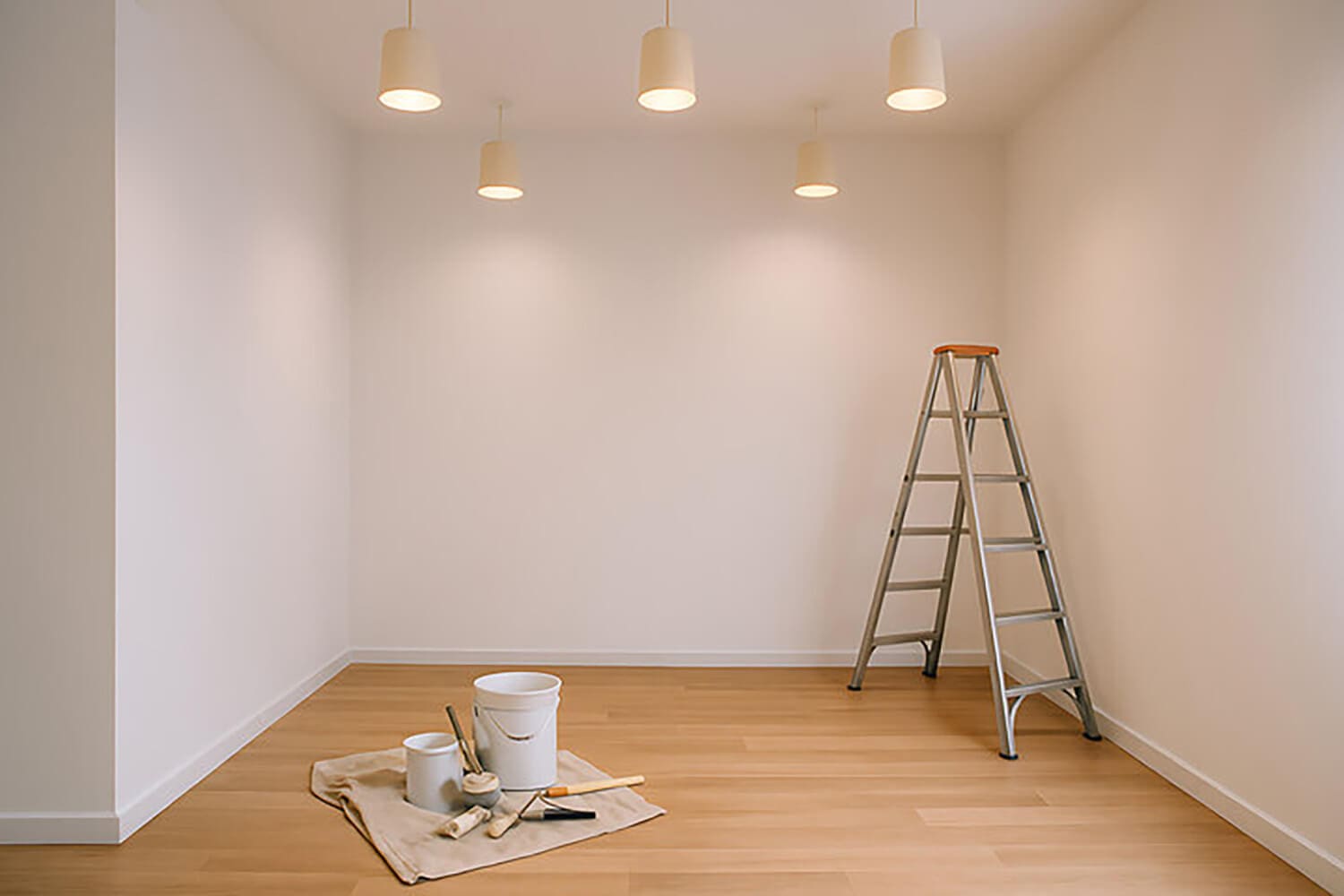
Planning an interior painting project can feel overwhelming, especially when you’re trying to fit it into daily life and make sure everything goes smoothly. Many homeowners in San Antonio start with the same question: how to plan an interior painting project without unnecessary stress, delays, or surprises. You may be wondering where to begin, what decisions you need to make upfront, and how much coordination is actually required on your end when working with a professional.
Interior painting is one of the most visible updates you can make to your home, but the outcome depends heavily on planning. Choices like which rooms to paint, when the work should happen, and how it fits around your schedule all affect the experience as much as the final result. Without a clear plan, even a straightforward paint job can feel disruptive or rushed.
This guide is designed to help San Antonio homeowners understand the planning side of an interior painting project before any work begins. It focuses on the decisions you’ll need to make, the factors that influence timing and coordination, and how professional painters typically work with homeowners throughout the process. By the end, you should feel more confident about what planning involves and how to approach it with clarity.
Step-by-Step Planning Process for an Interior Painting Project
Planning an interior painting project works best when decisions are made in a clear sequence rather than all at once. Many homeowners try to think about colors, timelines, and logistics simultaneously, which can make the process feel more complicated than it needs to be.
A structured planning approach helps keep decisions organized and prevents last-minute changes that can delay scheduling. When you work with a professional painter, your role is primarily to make approvals and coordinate access, not to manage the technical details of the job.
A well-planned interior painting project typically involves:
- Deciding which areas of the home will be painted and in what order
- Accounting for local factors that influence timing and materials
- Finalizing paint selections before scheduling begins
- Setting realistic expectations for how long the project will take
- Coordinating daily life and home access during the work
Professional painters use this same sequence when evaluating a project. They assess surfaces, recommend products, and build an interior painting schedule based on the decisions you’ve already made. When those decisions are clear upfront, the entire process tends to move more smoothly.
Approaching planning as a step-by-step process gives you more control and helps ensure the project fits your home, your schedule, and your expectations without unnecessary disruption.
Decide Which Rooms to Paint First
One of the first planning decisions homeowners need to make is which rooms will be painted and in what order. This choice shapes the scope of the project and influences how disruptive the work feels while it’s underway.
Most homeowners start by prioritizing rooms based on how often they’re used. High-traffic areas like living rooms, hallways, and kitchens tend to show wear sooner and often take priority. Bedrooms, guest rooms, or secondary spaces may be scheduled later if minimizing disruption is a concern.
It’s also important to think about visibility. Rooms that connect to one another or are immediately visible from entryways often make sense to paint together so finishes feel consistent. Painting these areas first can create a noticeable improvement early in the project.
When working with a professional, painters can help evaluate wall condition, surface repairs, and access needs for each space. However, the final decision on room order usually comes down to homeowner preference, lifestyle, and how you use the home day to day.
Making this decision early keeps planning a home paint job organized and helps your painter build a clear scope before discussing products, timing, or scheduling details.
Account for San Antonio Climate and Home Characteristics Early
San Antonio’s climate and common home styles should be considered early in the planning process because they influence both product selection and scheduling. Even for interior projects, local conditions play a role in how paint performs and how long work may take.
Heat and humidity can affect drying times, especially during warmer months when indoor temperatures fluctuate as doors open and close. Professional painters account for this when recommending products and setting expectations, but homeowners should understand that timing may be adjusted to ensure proper results.
Home characteristics also matter. Many San Antonio homes feature open floor plans, textured walls, or higher ceilings, which can affect sequencing and access. Older homes may require additional surface evaluation, while newer homes often allow for more predictable planning.
Addressing these factors early helps avoid changes later in the process. It allows painters to recommend appropriate materials and helps homeowners understand why certain timelines or approaches are suggested.
By factoring in local climate and home layout at the beginning, you create a more accurate foundation for the rest of the planning decisions without needing to manage technical details yourself.
Finalize Paint Colors, Finishes, and Products
Finalizing paint selections is a key planning step that should happen before scheduling is locked in. Color, finish, and product choices all affect how the project is paced and how predictable the timeline will be.
Some colors require additional coats to achieve even coverage, especially when making a significant change from light to dark or vice versa. Finishes also matter. Higher-sheen paints are more durable but can highlight wall imperfections, while flatter finishes may require different prep approaches in visible areas.
Professional painters typically guide homeowners through these choices and help them choose the best paint finish based on room function and durability. Their role is to recommend products that suit the space, usage, and local conditions, while the homeowner makes the final selections.
Delaying paint decisions can slow down planning a home paint job. If colors or finishes change after scheduling, it may affect material availability, prep requirements, or the interior painting schedule.
Locking in paint selections early helps ensure smoother coordination. It allows your painter to order materials in advance and plan the work accurately without last-minute adjustments that can disrupt timing or expectations.
Set a Realistic Project Timeline With Your Painter
Once rooms and paint selections are finalized, the next step is setting a realistic timeline with your painter. This is where planning becomes concrete and expectations are aligned before work begins.
A professional interior painting schedule is built around several practical factors:
- Number of rooms and total square footage being painted
- Wall condition and any prep work required before painting
- Paint types, finishes, and the number of coats needed
- Access to rooms and whether areas can be painted consecutively
- Household occupancy during the project
Rather than focusing on exact dates too early, most painters start with a time range. This allows flexibility if prep takes longer than expected or if drying conditions require adjustments.
Homeowners play an important role by confirming availability, preferred start windows, and any deadlines that matter, such as move-in dates or upcoming events. Painters then sequence the work to minimize disruption and keep progress steady.
Setting a timeline collaboratively helps avoid rushed work or unexpected delays. When expectations are clear on both sides, the project is more likely to stay on track and feel manageable from start to finish.
Coordinate Daily Life, Access, and Occupancy During the Project
Coordinating daily life during an interior painting project is an important part of planning, especially for occupied homes. Clear communication upfront helps reduce disruption once work begins.
Homeowners should think through a few practical considerations:
- Which rooms need to remain accessible during the day
- Where pets and children will be during active work hours
- Work-from-home schedules that may require quiet or limited access
- Furniture placement and temporary room closures
Professional painters typically handle protection, setup, and cleanup, but homeowners still need to prep your house by clarifying access needs and household routines.
It’s also helpful to understand that certain areas may be unavailable for short periods due to drying time or ventilation needs. Knowing this in advance makes it easier to plan meals, work, or overnight arrangements if needed.
When daily life coordination is discussed before the project starts, the experience feels more predictable. It allows the painter to work efficiently while the homeowner maintains a sense of normalcy throughout the process.
How Professional Interior Painters Handle Prep, Execution, and Quality Control
Once planning decisions are finalized, professional painters take over the technical side of the project. This is where homeowners can step back, knowing the execution is being managed systematically.
Professional painters typically handle:
- Surface evaluation, including identifying repairs, patching, and sanding needs
- Protecting floors, furniture, fixtures, and adjacent areas
- Applying paint in a sequence that supports proper drying and consistent results
- Daily cleanup and jobsite organization
Quality control is built into the process rather than saved for the end, with systems in place to keep your house clean and organized throughout the project. Painters monitor coverage, finish consistency, and edge work as the project progresses. Any touch-ups or adjustments are addressed before moving on to the next space.
Homeowners should expect regular communication about progress and access, not hands-on involvement. Clear planning allows painters to focus on execution while keeping homeowners informed without pulling them into day-to-day decisions.
What Homeowners Should Have Confirmed Before Interior Painting Begins
Before the first day of painting, there are several decisions homeowners should feel confident about. Confirming these items helps prevent delays and miscommunication once work is underway.
Most homeowners should have clarity on:
- Which rooms are included and the agreed-upon order
- Final paint colors, finishes, and approved products
- Start timing and general duration expectations
- Daily access requirements and occupancy considerations
- Any special concerns, such as pets or work-from-home needs
When these details are confirmed ahead of time, painters can arrive prepared and keep the project moving smoothly. It also reduces the likelihood of mid-project changes that affect timing or cost.
This final confirmation step reinforces that planning is about alignment, not micromanagement. Once everything is agreed upon, the project can begin with fewer surprises.
Planning an Interior Painting Project With Confidence in San Antonio
Planning an interior painting project becomes much easier when decisions follow a clear order and expectations are set early. Homeowners who focus on coordination rather than execution tend to have smoother experiences and better outcomes.
By deciding room priorities, accounting for local conditions, finalizing paint selections, and coordinating timelines and daily life, you create a solid foundation for the work ahead. Professional painters then build on that foundation with proper prep, execution, and quality control.
For San Antonio homeowners, thoughtful planning helps ensure the project fits both the home and the climate. It also makes the process feel manageable instead of disruptive.
With the right planning approach, interior painting becomes a controlled, predictable upgrade rather than a source of stress.
If you’re planning an interior painting project and want help coordinating the details, Hendrick Painting can guide you through the process. Their team works with San Antonio homeowners to evaluate spaces, confirm timelines, and manage the work with minimal disruption. Reaching out for an interior painting consultation is a simple way to get clear expectations and professional input before making any commitments.