
How to Fix Peeling Paint on Exterior Wood Trim Without Replacing It
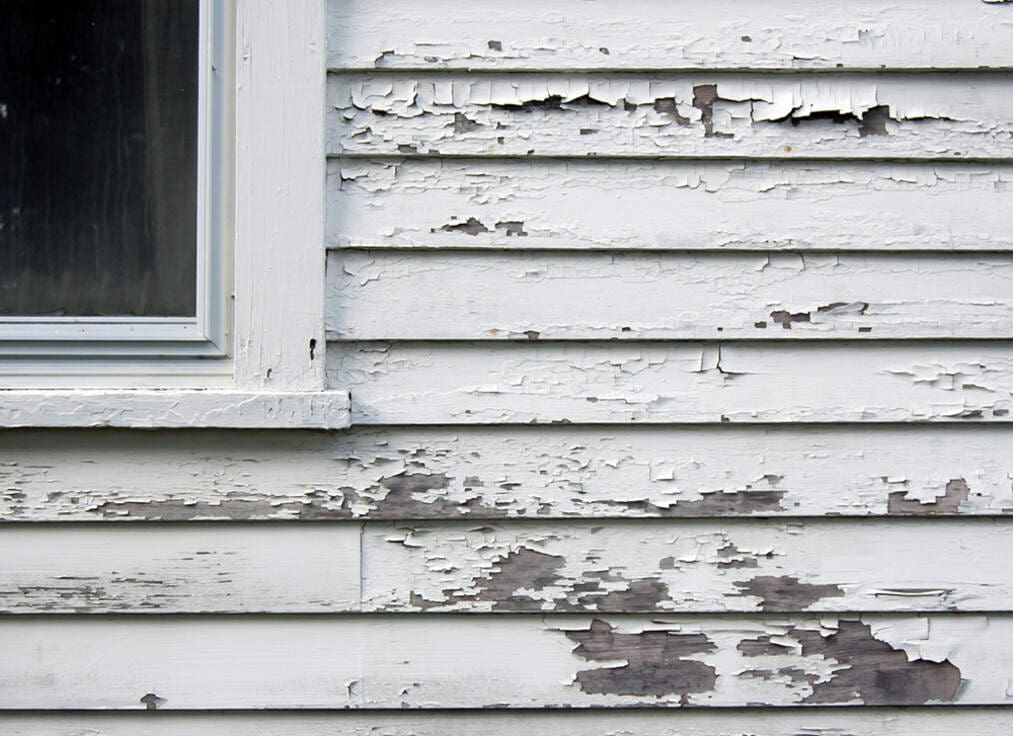
Peeling paint on your exterior trim is more than just an eyesore — it’s an early warning sign that your home’s protective exterior is starting to fail. You might notice paint curling at the edges of window frames, porch columns, or fascia boards. Left untreated, those areas can absorb moisture and eventually lead to wood rot or more expensive structural damage.
Fortunately, replacement isn’t always necessary. In many cases, a skilled painting contractor can restore the existing wood trim with the right preparation, repairs, and coatings. Here’s what a professional looks for and what goes into fixing peeling paint on exterior wood trim the right way.
What Causes Exterior Trim Paint to Peel?
Understanding why paint fails is key to fixing it properly — and preventing it from happening again. When inspecting exterior wood trim, professional painters typically evaluate a few core issues:
- UV exposure and sun damage: Trim exposed to constant sunlight, especially on south- and west-facing elevations, can break down faster. UV rays dry out the paint film, causing chalking, cracking, and peeling over time.
- Moisture intrusion: Water is a major threat to exterior wood. If caulking has failed or joints aren’t sealed, moisture can penetrate beneath the paint layer, leading to bubbling, peeling, and eventually wood rot.
- Improper surface preparation: If the surface wasn’t cleaned, sanded, or primed before the last paint job, adhesion problems are likely. Paint applied over dirt, mildew, or gloss finishes won’t last, especially under the Texas sun and humidity.
- Low-quality or incompatible products: Using the wrong type of paint (e.g., latex over oil without proper prep) or inexpensive, low-performance coatings can lead to early failure.
When a professional evaluates how to fix peeling paint on exterior wood trim, identifying the root cause is the first step in delivering a long-lasting solution.
What Professionals Use to Repair Peeling Trim
Restoring peeling trim is about more than just covering it up. A quality repair requires durable materials, proper tools, and expert judgment.
Some of the standard tools and products a professional painting crew uses include:
- Scrapers and sanders to remove loose paint and smooth the surface
- Exterior-grade wood filler to repair minor cracks, holes, or surface wear
- High-performance primer to seal bare wood and promote strong adhesion
- Premium exterior paint designed for durability, color retention, and weather resistance
- Commercial caulking compounds for sealing joints and gaps around trim
- Brushes, rollers, and masking materials to ensure clean, even coverage without overspray
Using top-tier materials and professional techniques ensures the finish won’t just look great — it will also protect your home for years to come.
How Pros Fix Peeling Paint on Exterior Wood Trim
Fixing peeling paint is more than a cosmetic touch-up. Hendrick Painting follows a meticulous process to ensure repairs are thorough, durable, and visually seamless.
Here’s what goes into a professional repair:
- Inspection and prep: The team begins by identifying the full scope of the peeling, not just where it’s visible. Any flaking or bubbled paint is carefully scraped away, and surrounding areas are feather-sanded to remove sheen and create a smooth transition.
- Surface restoration: If the wood beneath is dry and intact, minor imperfections are patched with exterior wood filler. Loose joints or open seams are recaulked to prevent water intrusion, and all repairs are allowed to cure properly.
- Priming exposed areas: Bare wood and filled surfaces are spot-primed using a high-adhesion exterior primer. This seals the substrate and ensures the new paint bonds well.
- Precision painting: Once prepped and primed, the area is repainted using two coats of premium exterior paint, typically in a satin or semi-gloss finish for added protection. Painters apply the coating during optimal weather conditions to ensure even drying and curing.
This expert approach doesn’t just cover the problem — it extends the life of your exterior trim and helps prevent further deterioration.
How Often Should Exterior Trim Be Repainted?
Fixing peeling paint is just one piece of the puzzle. Preventive maintenance matters too, especially for homes in sun-drenched or humid regions like Central Texas.
Professional painters generally recommend repainting exterior wood trim every 5 to 7 years, depending on factors like:
- Sun and weather exposure
- The quality of previous prep and paintwork
- Type of trim materials (wood, engineered wood, or composite)
- Signs of early wear, like hairline cracks, fading, or brittleness
Regular inspections and timely touch-ups help extend the life of your paint job and reduce the risk of larger repairs down the road. If you’re unsure about the condition of your trim, a quick visit from a local pro can help you plan ahead before problems appear.
When Restoration Isn’t Enough
While professional repainting can solve most peeling paint issues, there are some situations where a more extensive fix is required. A seasoned painter will know when to recommend repair versus replacement.
Here are a few signs that restoration may not be the best route:
- Rotted or soft wood beneath the paint: If the trim feels spongy or crumbles under light pressure, it’s no longer structurally sound. Damaged sections will need to be replaced before any painting takes place.
- Persistent peeling in the same area: Chronic failure may point to deeper issues like hidden moisture leaks, poor ventilation, or structural movement. A contractor will need to assess and address the underlying cause first.
- Inaccessible or high-risk locations: Trim located high above the ground or near the roofline requires special equipment and safety procedures. Professional painters are trained and insured to work in these conditions.
Knowing when to escalate from repair to replacement is part of what separates a quick paint job from long-term protection.
Trust the Process — and the Professionals Who Know It
Peeling trim might seem like a small issue, but it’s often a sign your home needs attention. Fixing it properly isn’t just about looks — it’s about sealing out moisture, preserving structural integrity, and protecting your investment from the elements.
When you hire a professional, you’re not just buying paint. You’re getting an expert eye for surface prep, the right products for long-term durability, and the peace of mind that comes with a job done right.
If your exterior trim is starting to peel, crack, or fade, now’s the time to act. A professional evaluation can pinpoint the cause and stop the damage before it spreads.