
How Long Does Interior Paint Last in San Antonio Homes
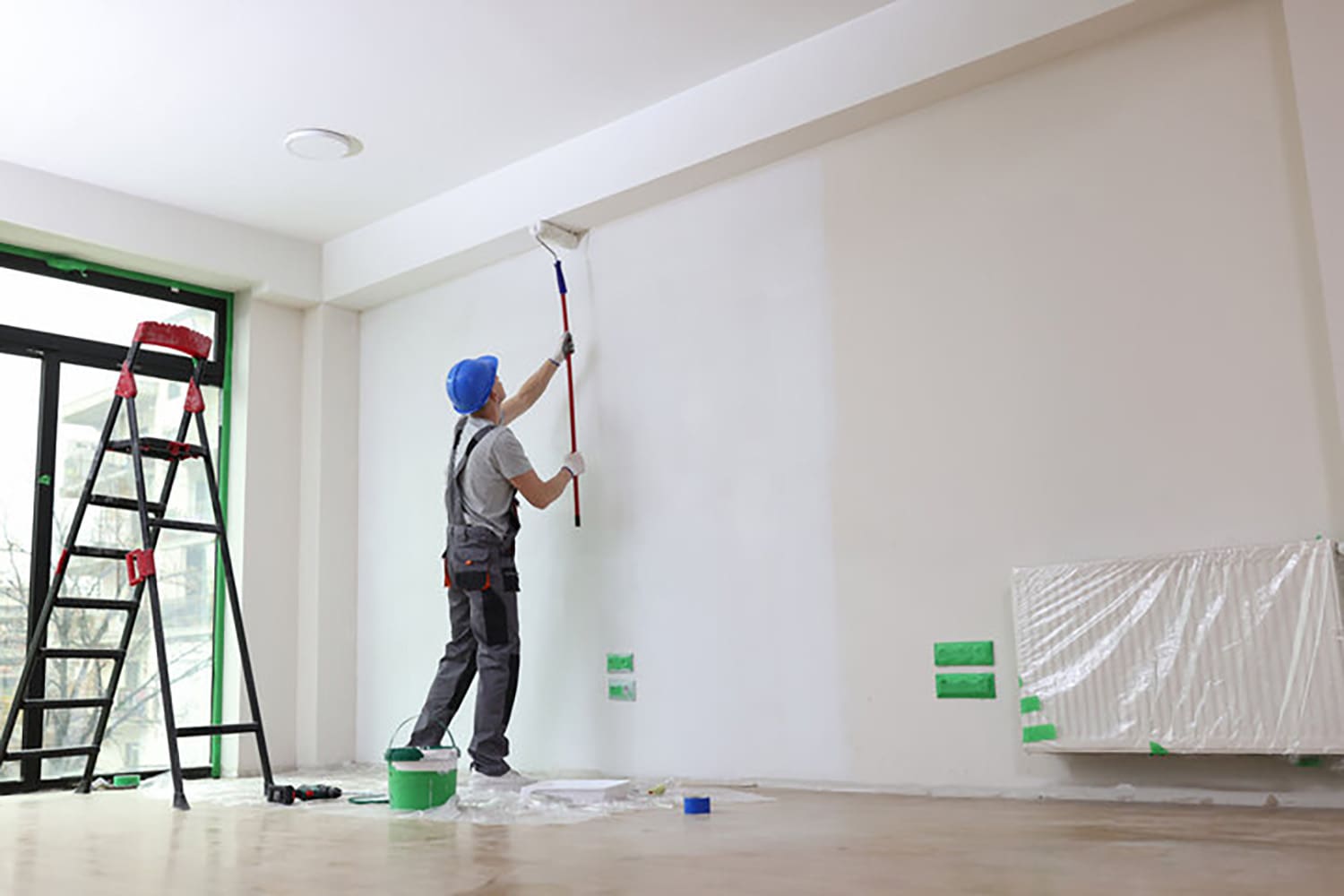
If you are a homeowner in San Antonio, it is completely normal to wonder how long your interior paint should realistically last before it starts looking tired or worn. Freshly painted walls can make a home feel clean, updated, and well cared for, but over time, even the best paint jobs begin to show subtle changes. Scuffs appear, colors lose their vibrancy, and certain rooms start to feel less polished than they once did.
The challenge is that there is no single expiration date for interior paint. How long does interior paint last depends on more than just the calendar. Daily activity, room function, preparation quality, and even San Antonio’s climate all play a role in how quickly paint shows wear. What still looks great in a quiet bedroom may feel overdue for repainting in a busy hallway or kitchen.
Homeowners often struggle to tell the difference between normal aging and signs that repainting is actually needed. Some wait too long and end up dealing with peeling or discoloration, while others repaint sooner than necessary.
This guide is designed to give San Antonio homeowners clear, realistic expectations. It explains typical lifespan ranges, what causes paint to wear faster, and how to recognize when repainting becomes the practical next step rather than a cosmetic choice.
What Is the Typical Lifespan of Interior Paint in San Antonio Homes
Most San Antonio homeowners can expect interior paint to last several years before it needs attention, but the exact timeline varies by room. In general, well-applied interior paint holds up anywhere from 3 to 10 years depending on conditions inside the home.
As a baseline, many interiors fall into these common ranges:
- High-use rooms often need repainting every 3–5 years
- Moderately used living spaces typically last 5–7 years
- Low-traffic areas can remain in good shape for 7–10 years or longer
These ranges help set expectations, but they are not guarantees. Two homes painted at the same time can age very differently based on how each space is used and maintained.
Rooms that experience frequent contact, cleaning, or moisture tend to show wear sooner. Walls may start to look dull, pick up scuff marks, or develop uneven color long before paint technically fails. In contrast, quiet spaces with limited exposure can maintain a clean, consistent appearance for much longer.
It is also important to understand that interior paint lifespan is not just about how many years pass. Paint wears gradually through daily living. A room that sees constant activity for three years may look more worn than a lightly used space painted eight years ago.
This is why homeowners should view lifespan as a range influenced by conditions, not a fixed countdown tied to the original paint date.
How Room Type and Household Activity Affect Interior Paint Wear
Not all rooms in a San Antonio home age at the same pace. How often a space is used and what happens in it every day play a major role in how quickly paint begins to show wear.
High-traffic areas tend to break down first. These spaces experience constant movement, contact, and friction that gradually wears down the paint surface.
Common examples include:
- Hallways where people brush past walls daily
- Entryways exposed to bags, shoes, and frequent cleaning
- Living rooms used heavily for gatherings or family time
Kitchens are another area where paint often ages faster. Heat, cooking residue, and regular wipe-downs can dull finishes and cause discoloration over time, even when high-quality paint is used.
Kids’ rooms also see accelerated wear. Fingerprints, furniture bumps, and frequent wall contact can leave visible marks that do not always clean off easily. Over time, these marks create uneven appearance even if the paint is still technically intact.
Bathrooms and laundry rooms may not always see heavy traffic, but moisture adds a different kind of stress. Steam and humidity can soften paint films, making them more prone to staining or minor peeling in spots.
By contrast, guest rooms, home offices, and formal dining areas usually experience far less daily activity. With fewer touchpoints and minimal cleaning, paint in these spaces often looks good for many years.
Understanding how room function affects wear helps homeowners judge repainting needs based on use, not just age.
How Prep Work and Paint Quality Shape Long-Lasting Results
One of the biggest factors in how long interior paint lasts has nothing to do with the room itself. It comes down to how the walls were prepared and the quality of materials used before the first coat ever went on.
Proper surface preparation allows paint to bond correctly to the wall. When walls are cleaned, repaired, and primed as needed, the paint forms a consistent film that holds up better to everyday use.
Professional prep typically includes:
- Cleaning to remove dust, oils, and residue
- Repairing nail holes, cracks, and surface damage
- Sanding rough areas for a smooth base
- Applying primer where needed to improve adhesion
Skipping or rushing these steps can shorten the lifespan of interior paint. Paint applied over dirty or uneven surfaces may look fine at first but tends to scuff, chip, or peel much sooner.
Paint quality also plays a major role in durability — choosing the best paint finish for walls helps paint resist everyday wear over time. Higher-quality interior paints are designed to resist staining, fading, and wear better than budget options. They maintain color consistency longer and are easier to clean without damaging the finish.
It is important to understand that durability depends on the full painting process. Even the best paint will struggle if prep work is poor. Likewise, excellent preparation cannot fully compensate for low-grade materials.
Long-lasting results come from combining careful prep with paints suited for the specific conditions of each room.
How San Antonio Humidity and Sunlight Impact Interior Paint Lifespan
Even though interior paint is protected from direct weather, San Antonio’s climate still affects how long it holds up. Humidity and sunlight play a quiet but important role in how paint ages inside the home.
Moisture in the air can soften paint films over time — learning how humidity affects indoor paint can help you anticipate wear. Bathrooms, laundry rooms, and kitchens are the most affected. Steam from showers or cooking can settle on walls, slowly breaking down the paint’s surface and making it more prone to staining or minor peeling. Over time, this moisture exposure can shorten how long the paint maintains a clean, even appearance.
Sunlight creates a different type of wear. Many San Antonio homes have large windows and bright interiors, which means walls are exposed to strong Texas sun for hours each day. UV rays can cause paint colors to fade unevenly, especially near windows, doors, and sunlit corners. Lighter colors may lose their freshness, while darker shades can appear washed out or patchy.
This fading often happens gradually, making it harder to notice at first. Homeowners usually realize the difference when moving furniture or hanging new décor and seeing color contrast on previously shaded areas.
These climate-related factors explain why interior paint in San Antonio homes may age faster in certain rooms, even when traffic levels are low.
Signs It May Be Time to Repaint Interior Walls
Interior paint rarely fails all at once. Instead, it gives subtle signals over time that it is no longer performing the way it should. Learning to spot these signs helps San Antonio homeowners decide when repainting is necessary rather than simply optional.
One of the most common indicators is fading or discoloration. Walls exposed to sunlight often develop uneven tones, especially near windows and doors. Even if the color still looks acceptable from a distance, close inspection may reveal patchy areas that no longer match.
Scuff marks are another clear sign. Occasional marks are normal, but when walls hold onto scuffs that will not clean off without damaging the finish, the paint has usually reached the end of its useful life. This is especially noticeable in hallways and living spaces.
Peeling, bubbling, or flaking paint points to deeper issues. These problems often appear in bathrooms, laundry rooms, or kitchens where moisture is present. Once paint loses adhesion, spot repairs tend to stand out and full repainting becomes the more practical solution.
Homeowners may also notice that walls look dull even after cleaning. When paint loses its ability to reflect light evenly, rooms can feel tired or dirty despite regular upkeep.
Recognizing these signs early makes it easier to plan repainting before damage becomes more noticeable or costly to address.
Planning Interior Repainting Timelines for a Professional Project
Once homeowners understand how long interior paint typically lasts and what causes it to wear down, planning repainting becomes much easier. Instead of reacting to obvious damage, San Antonio homeowners can take a more proactive approach that leads to better results.
A useful starting point is evaluating each room individually rather than treating the entire home the same. High-use areas may benefit from a shorter repainting cycle, while quieter rooms can be refreshed less often. This room-by-room mindset helps balance appearance, budget, and timing.
Planning ahead also prevents paint conditions from deteriorating too far. Repainting before peeling, heavy staining, or surface damage sets in allows for smoother prep and cleaner finishes. Walls that are still structurally sound typically require less repair, which helps projects move faster and look more polished when complete.
Many homeowners find it helpful to align repainting with other updates, such as furniture changes or seasonal maintenance. Scheduling work during less disruptive times of year can also make the process feel more manageable.
Professional painters can help assess current paint conditions and recommend realistic timelines based on room use, paint type, and local factors. With a clear plan in place, homeowners can maintain fresh interiors without feeling rushed or unsure about when repainting is truly necessary.
Planning Interior Repainting Timelines for a Professional Project
Once homeowners understand how long interior paint typically lasts and what causes it to wear down, planning repainting becomes much easier. Instead of reacting to visible damage, San Antonio homeowners can take a more proactive approach that leads to better-looking, longer-lasting results.
A smart way to plan is to evaluate each room individually rather than treating the entire home the same. Different spaces age at different speeds, and repainting timelines should reflect that.
Homeowners can plan more effectively by:
- Prioritizing high-use rooms that show wear sooner, such as hallways and living areas
- Allowing low-traffic rooms to remain untouched longer if paint still looks consistent
- Scheduling repainting before peeling, heavy stains, or surface damage develop
- Coordinating repainting with other home updates or furniture changes
- Choosing timing that minimizes disruption to daily routines
Repainting earlier, while walls are still in good condition, often leads to smoother preparation and cleaner final results. Paint adheres better, repairs are simpler, and the finished space looks more polished.
Professional painters can also help homeowners assess current conditions and recommend realistic timelines based on room use, paint quality, and local factors. With a clear plan in place, interior repainting feels intentional rather than reactive, making it easier to maintain a fresh, well-cared-for home over time.
Wrap-Up: Knowing When Interior Paint Needs Refreshing in San Antonio
Interior paint does not wear out on a fixed schedule. In San Antonio homes, how long paint lasts depends on how each room is used, how well the walls were prepared, and how local humidity and sunlight affect the space over time. High-traffic rooms, moisture-prone areas, and sunlit walls naturally show wear sooner than quieter, shaded spaces.
Understanding these factors helps homeowners set realistic expectations. Instead of relying on guesswork or waiting until walls look damaged, recognizing early signs of fading, scuffing, or dullness makes it easier to plan repainting at the right time. Addressing paint wear before peeling or adhesion problems develop also leads to smoother projects and better-looking results.
Interior repainting works best when it is proactive rather than reactive. Evaluating rooms individually, planning around daily routines, and refreshing paint while surfaces are still in good condition all contribute to a more polished finish that lasts longer.
If you are unsure whether your walls are nearing the end of their lifespan, a professional assessment can bring clarity. Hendrick Painting works with San Antonio homeowners to evaluate interior paint conditions, discuss realistic timelines, and provide clear estimates. Reach out to us at Hendrick Painting to schedule an interior repaint consultation and get a professional estimate tailored to your home.