
How Humidity Affects Indoor Paint Drying in San Antonio Homes
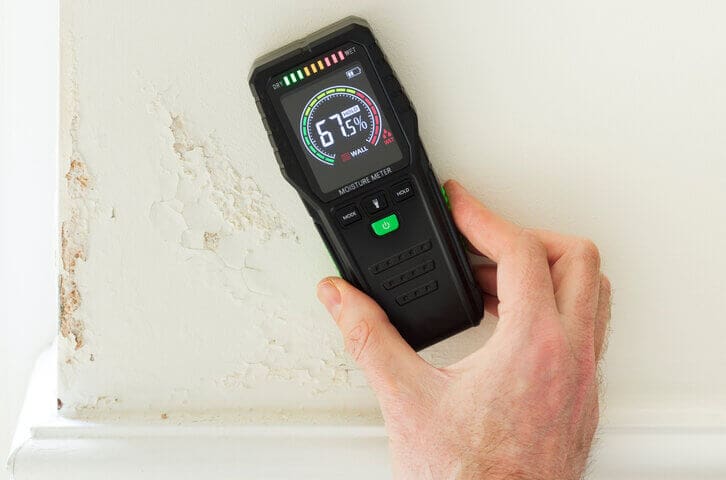
If you’ve ever painted a room in your San Antonio home and felt like the walls stayed tacky far longer than expected, humidity is usually the reason. Many homeowners are surprised by how much indoor moisture affects paint behavior, especially when the project is happening inside with the air conditioning running. Understanding how humidity affects indoor paint drying helps explain why timelines can stretch, finishes can feel slow to set, and patience matters more in this climate than in drier parts of the country.
San Antonio’s environment creates unique conditions that influence how paint dries, even indoors. High outdoor humidity doesn’t stop at the front door, and everyday activities inside your home can raise moisture levels more than most people realize. This often leads homeowners to question whether something went wrong during the painting process or if the paint itself is defective.
In reality, paint drying is a chemical and physical process that depends heavily on air conditions. When moisture levels are high, paint behaves differently, even when applied correctly. Knowing what’s happening behind the scenes can remove uncertainty and set more realistic expectations.
This guide explains why indoor humidity is higher in San Antonio homes, what that humidity does to paint as it dries, how professionals account for it during interior painting, and what homeowners should realistically expect because of it.
Why Humidity Is Higher Inside San Antonio Homes
San Antonio’s climate plays a major role in indoor humidity levels, even when doors and windows stay closed most of the year. Warm air holds more moisture, and the region’s consistently humid outdoor air naturally works its way indoors.
Air conditioning helps cool the air, but it does not automatically remove all moisture. In many homes, especially older ones, cooling systems are sized to lower temperature quickly rather than actively control humidity. This allows moisture to linger inside.
Everyday household activity also adds humidity to indoor air, including:
- Cooking and running the dishwasher
- Showering and bathing
- Laundry machines and drying clothes indoors
- Multiple people occupying the home for long periods
Seasonal patterns make this more noticeable. During warmer months, outdoor humidity is higher, and AC systems run more frequently. This combination can create stable indoor temperatures while still leaving moisture suspended in the air.
Compared to drier regions, San Antonio homes often maintain higher baseline indoor humidity levels year-round. That difference matters during interior painting because paint reacts to the air it’s drying in, not just the surface it’s applied to.
These conditions explain why interior paint behaves differently here than homeowners may expect based on past experiences in other climates.
What High Humidity Does to Interior Paint as It Dries
Paint does not dry simply by “hardening.” Most interior paints dry as moisture evaporates from the surface and the paint film slowly sets. When the surrounding air already contains a high level of moisture, that evaporation process slows down.
In humid indoor conditions, water-based paints release moisture more slowly because the air cannot absorb it as efficiently. This directly affects paint drying time in humidity-heavy environments like San Antonio homes.
One of the most common points of confusion is the difference between paint being dry to the touch and fully cured. Paint may feel dry on the surface while still holding moisture underneath. High humidity stretches the time between these two stages.
As paint dries more slowly, several things can happen:
- The paint film takes longer to level and settle
- The surface stays soft and impressionable for a longer period
- Moisture can remain trapped beneath the top layer
This can influence how the final finish looks and feels during the drying window. Sheen may appear uneven at first, and surfaces can be more sensitive to contact or airflow until curing progresses.
These effects are not signs of poor application or low-quality paint. They are normal reactions to moisture-rich air. Understanding this helps homeowners avoid misinterpreting standard drying behavior as a problem with the paint or the process itself.
How Professional Painters Account for Humidity During Interior Painting
Experienced painters working in San Antonio understand that indoor conditions matter just as much as surface preparation or product choice. Before painting begins, they pay close attention to how the home feels, not just the temperature on the thermostat.
Professional painters assess airflow, ventilation, and moisture levels throughout the space, while also paying close attention to how your home is protected during the painting process. Even subtle differences between rooms can affect how paint dries, especially in homes with limited air movement or heavy daily use.
Timing also plays a role. Professionals plan application and recoat schedules around how quickly paint can realistically dry in humid indoor air. Instead of forcing faster progress, they allow the paint to release moisture at a controlled pace so the finish can set properly.
Application methods are adjusted as well. Paint may be applied with techniques that encourage even film thickness, reducing the risk of moisture becoming trapped beneath the surface. Ventilation is managed carefully so airflow supports drying without causing streaking or uneven texture.
Local experience is critical. Painters familiar with San Antonio homes know that humidity is a constant factor, not an occasional inconvenience. Their process is designed to work with the environment rather than fight it, which helps ensure the final result looks consistent and holds up over time.
What Homeowners Should Realistically Expect From Interior Paint Drying in San Antonio
Interior paint drying in San Antonio often looks different than homeowners anticipate, especially if they’ve painted in drier climates before. Higher indoor humidity changes timelines and short-term appearance, even when everything is done correctly.
Homeowners should expect a few key differences during the drying process:
- Paint may take longer to feel fully dry, even if it looks finished
- Recoat windows can be extended to allow moisture to escape properly
- Surfaces may remain soft and sensitive to touch for a longer period
- Final sheen and color can take additional time to fully settle
These slower timelines do not mean the paint will perform worse in the long run, and they don’t change how often you need to repaint interior walls once the paint has fully cured. In many cases, allowing paint to dry at a natural pace in humid conditions actually supports better adhesion and durability once curing is complete.
It’s also normal for drying conditions to vary from room to room. Bathrooms, kitchens, and laundry-adjacent spaces often hold more moisture, which can subtly affect how paint behaves compared to bedrooms or living areas.
Understanding these expectations helps reduce frustration during an interior painting project. When homeowners know what’s normal for paint drying time in humidity-heavy environments, the process feels more predictable and far less stressful.
Why Understanding Humidity Leads to Better Interior Painting Results
Humidity plays a quiet but important role in how interior paint dries inside San Antonio homes. When homeowners understand that higher indoor moisture is normal for the area, many of the frustrations around slow drying or extended timelines start to make sense.
Paint drying is not just about temperature or product quality. Moisture in the air affects how quickly paint can release water, settle evenly, and move from surface-dry to fully cured. In a humid environment, that process naturally takes longer, even when the paint is applied correctly.
Recognizing this helps set realistic expectations. Longer drying times, temporary softness, or subtle finish changes during the process are often part of normal paint behavior in this climate, not signs that something went wrong. When humidity is accounted for from the start, the final results are typically consistent, durable, and visually clean.
This is where professional experience matters. Painters who understand local conditions plan around humidity instead of rushing against it. Their approach helps protect the finish, avoid rework, and deliver results that hold up well over time, which directly affects what paint warranties cover once the job is complete.
If you’re planning an interior painting project and want a clearer picture of how humidity may affect drying time in your home, working with a local professional makes a difference. Hendrick Painting understands how San Antonio’s indoor conditions impact paint performance and plans each project accordingly. A quick conversation or walkthrough can help set realistic expectations, avoid unnecessary delays, and ensure your interior paint dries and finishes the way it should.